
Oak Class – Reception

Welcome to Oak Class!

Starting Reception – Find out more

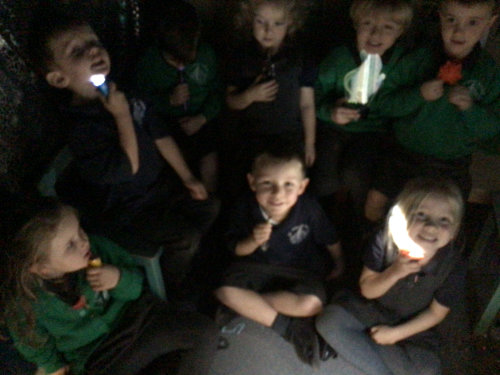
In Oak class, our reception children are nurtured and supported in a small-class environment. The children benefit from rich and varied educational experiences, as well as targeted and personalised support to ensure good development as they begin their school journey at Ide Primary School.

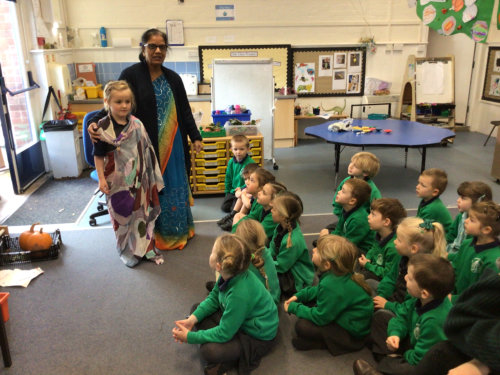
Positive, constructive relationships between staff, parents and pupils are of high importance and are conducive to learning. Children feel encouraged and cared for by all adults who support them in our school. Parents and families are regularly involved in school life- either through curriculum-themed events (e.g. Grandparents Day) or sharing the children’s work at the end of each week through our weekly learning display. Regular communication with families is really important to us as children settle into our school.

At Ide Primary School we know that the Foundation Stage is a time for children to build solid foundations from which children can flourish and thrive as they progress through our school. Our intent is to ensure that our children develop important communication, physical and emotional skills within the context of our wider curriculum, whilst inspiring a love of learning and a positive attitude towards school.

We believe that children deserve to be valued as individuals and we are passionate about supporting children to achieve their full potential in their own unique way. As they enter their Reception year, we take into account their individual starting points and carefully observe, plan and adapt to ensure that we facilitate progress in the best way possible for each individual child.
Both our Pre-School (Apple class) and Reception (Oak class) Curricula are developed using the document ‘Development Matters’. You can view this document here EYFS DEVELOPMENT MATTERS. This has seven main areas of learning which are divided into ‘Prime’ and ‘Specific’ areas of learning.

The Prime areas are

  • Communication and Language
  • Physical Development
  • Personal, Social and Emotional Development

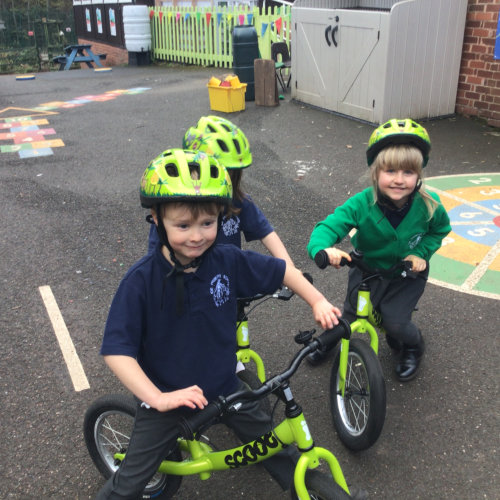
The Prime areas of learning are the bedrock of our practice. We strive to secure good outcomes in these three areas for all children through individualised, ongoing observation, modeling and teaching. The prime areas are supported daily as they are woven into our interactions and continuous provision.

The Specific areas are

  • Mathematics
  • Literacy
  • Understanding the World
  • Expressive Arts and Design

Development Matters reflects the foundations of our Curriculum, which demonstrates the exciting and ambitious provision that we offer to our EYFS children. Our Early Years curricula are designed within the realms of the ‘States of Being’ that are used throughout the whole school at Ide. The ‘States of Being’ characters give children a sense of becoming linguists, athletes, philosophers, scientists, geographers, musicians, historians, artists, mathematicians, authors, readers, and engineers.

The curriculum for each State of Being can be viewed by clicking below.
Children in Oak class are also supported to foster the 3 Characteristics of Effective Learning, as set out in the Development Matters Document.
These are

  • Playing and Learning
  • Active Learning
  • Thinking Critically

With these in mind, children are guided to learn how to engage with tasks and their environment effectively to maximise their learning potential. By taking into account the different learning styles of individual children and catering for these, they are given the best possible chance to succeed.

Children in Oak have short, whole-class phonics and maths sessions daily plus shared reading and writing groups and activities throughout the week. Every child writes and does a maths task with an adult every week, and reads three times a week with their reading group. Twice a week, we have a lesson that supports the relevant State of Being for the week (Enquiry lessons).

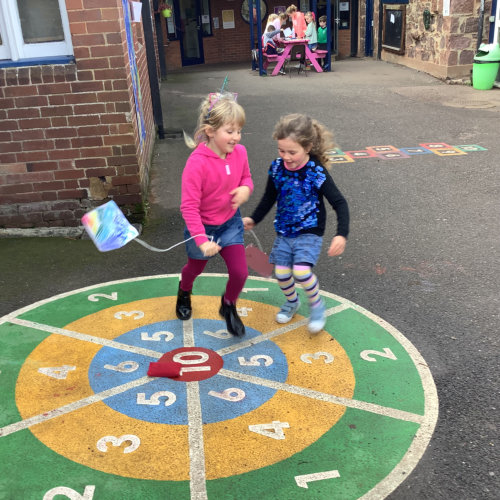
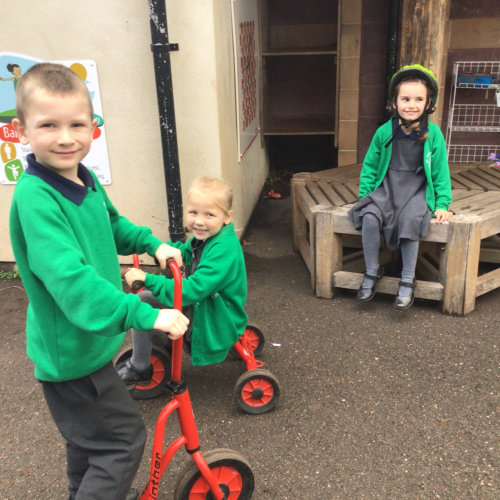
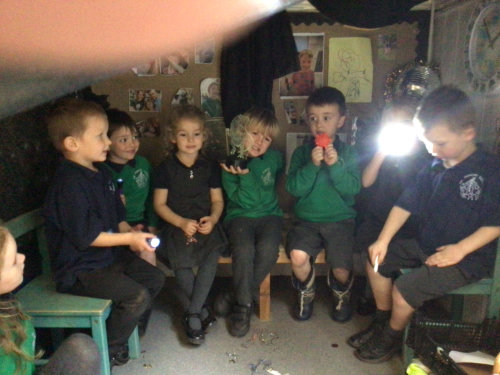
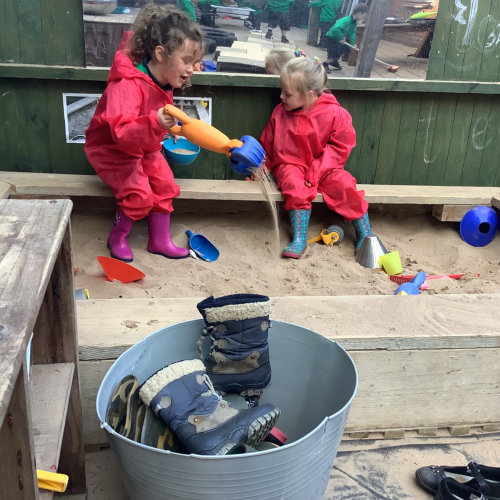
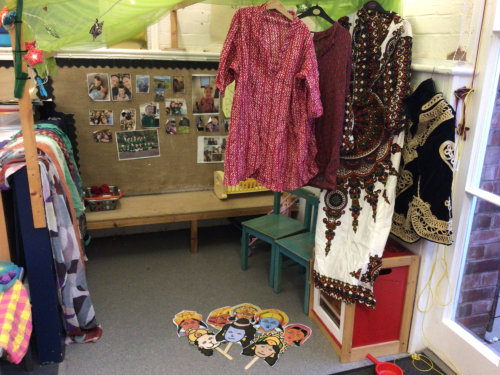
For the most part, children are engaged in play-based activities whereby they can extend their own learning either independently or as part of a group. Adults in the class support the children to make progress within this self-initiated play time, using their secure knowledge of the children and understanding of how substantive and disciplinary knowledge develop throughout the Early Years Foundation Stage.

Our aim is to create eager, curious, motivated, independent learners with a strong foundation in academic areas such as Reading, Writing and Maths, ready to tackle the National Curriculum they will follow in Year 1.

Reading in Oak Class

In Reception, your child will be taught phonics, a method of learning to read words. They learn to read letters by saying the sounds they represent. They can then start to read words by blending individual sounds together to make words.

Alongside learning to decode the words on the page, your child will also learn comprehension skills. This helps them to make sense of what the words say and what the text means. Together, these skills will help your child on their way to becoming a keen and confident reader.

Linking sounds and letters

Phonics involves learning the 44 letter sounds (known as phonemes) and understanding how they are represented in written form by a letter or letters (known as graphemes).

In school, your child will be taught phonics in daily sessions following the Little Wandle programme that maps out the order in which the individual speech sounds and the graphemes that represent them will be introduced and learned.

Blending sounds to make words

Your child will learn to recognise the separate sounds represented by letters and to blend them together to say a whole word. So, the word cat has 3 separate sounds – /c/ /a/ /t/. We blend them together to make the word, cat.

We will ask you to read phonically decodable books at home with your children. They will already have practiced these books three times in school, so they should be becoming fluent with these when they practice with you. These books contain only words that can be correctly blended using only the sounds and graphemes your child has learned so far, as well as some tricky words.

Learning tricky words

Some words are more tricky to sound out than others. This is usually because the sounds and letters do not match the rules your child has been taught so far.

These words are often called ‘tricky words’ in schools. They are often words that your child will meet in the books that they read, such as ‘said’ or ‘the’. Children are often taught to recognise these words by sight.

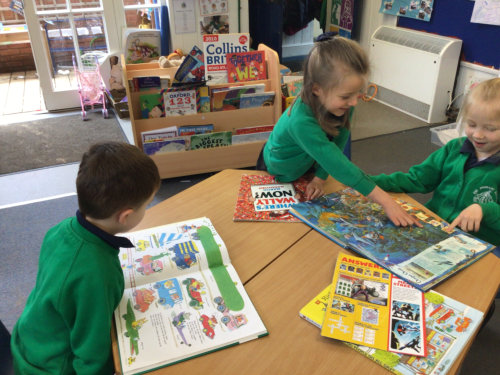
In addition to daily Phonic sessions, the children are also encouraged to play phonic reading games in their play provision, read in small groups, and visit the school library.

Teachers foster a love of books and reading across the provision. Stories stimulate learning in all other areas of the curriculum and non-fiction books widen and enrich the children’s understanding of topics.