Times Tables
Time table knowledge is of the utmost importance as it underpins so many aspects of mathematics. The children carry out a times table quiz weekly, linked to the tables they are learning. The children move through their tables and quizzes in the following order: 10, 5, 2, 4, 8, 3, 6, 9, 7, 11 and 12. As they move through, there are finals that combine all the previous learned tables. These occur after 5, 8, 9, 7 and 12. The children need to achieve a score of 38 out of 40 to move on. They have 4 minutes to complete the questions. When the children complete all the tables, they move onto 60 questions involving all the tables learned.
We encourage the children to practice their tables using ‘Times tables Rockstars’ as this is a fun and challenging way to help learn and consolidate all the times tables. Please see link below.
https://play.ttrockstars.com/
Reading
From year 2 upwards we use a guided reading scheme called Complete Comprehension. Complete comprehension is a school-wide programme designed to equip the children with everything they need to become strong, successful and independent readers. The scheme teaches all the different strands in reading: word meaning, prediction, retrieval, relationship, summarising, word choice, inference and comparison.
High-quality texts are used as a basis to teach the different skills required with well-structured questions to support the children’s understanding.
In order for the children to make progress with their reading, it is important that they read regularly at home and consider the different strands of comprehension.
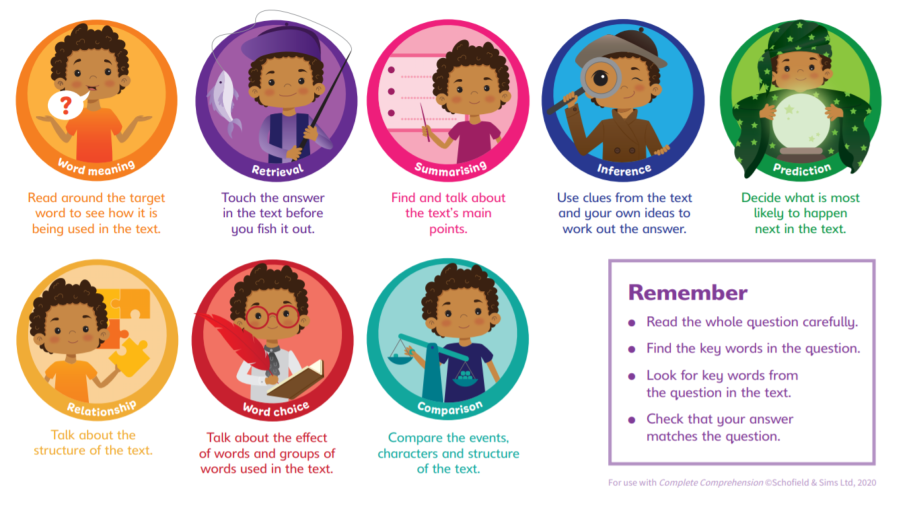
Thank you for your continued support with reading with your children and if you would like to know more about how we teach reading in school please refer to the parent booklet that can be found on the website by following: Our School, curriculum, Readers at Ide
Spellings
 The children’s weekly spellings are uploaded to Seesaw half termly. The children learn their spellings at school and home ready for a weekly spelling quiz on a Friday.
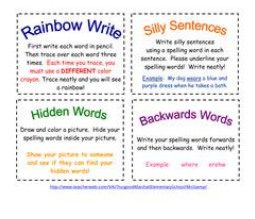
The children also learn personal spellings and the statutory spellings for their year group in school daily. There are different games to children can play to help learn their spellings and the children use these in school.
Here are examples of some of the games.


 Our current Spring 2 Enquiry is How are lives saved?